

Ultimate Guide to Multi-Cloud AI Consistency
Ensure AI produces consistent outputs across AWS, Azure and Google Cloud using Kubernetes, IaC, centralized monitoring, drift detection, and cost controls.
Updates, guides, and insights
Showing
218 posts found for 'pricing'
Ensure AI produces consistent outputs across AWS, Azure and Google Cloud using Kubernetes, IaC, centralized monitoring, drift detection, and cost controls.

AI style transfer fuses one image’s structure with another’s textures to create photorealistic or artistic results using CNNs, GANs, and diffusion models.

Step-by-step guide to estimating AI image API expenses — per-image vs token pricing, subscriptions, batch savings, hidden fees, and example cost calculations.

Choose simplicity or full control when adding AI to workflows—use no-code tools for quick setups or self-hosted platforms for privacy and scale.

Explore how static and contextual embeddings enable coherent AI text—from Word2Vec and GloVe to transformer models and long-context memory systems.

Overview of multidimensional frameworks for evaluating AI text quality — from error-weighted scoring to prompt-based and ethics-focused assessments.

Compare unified, monolithic, and distributed multimodal pipelines for sub-100ms inference, highlighting trade-offs in scalability, latency, privacy, and complexity.
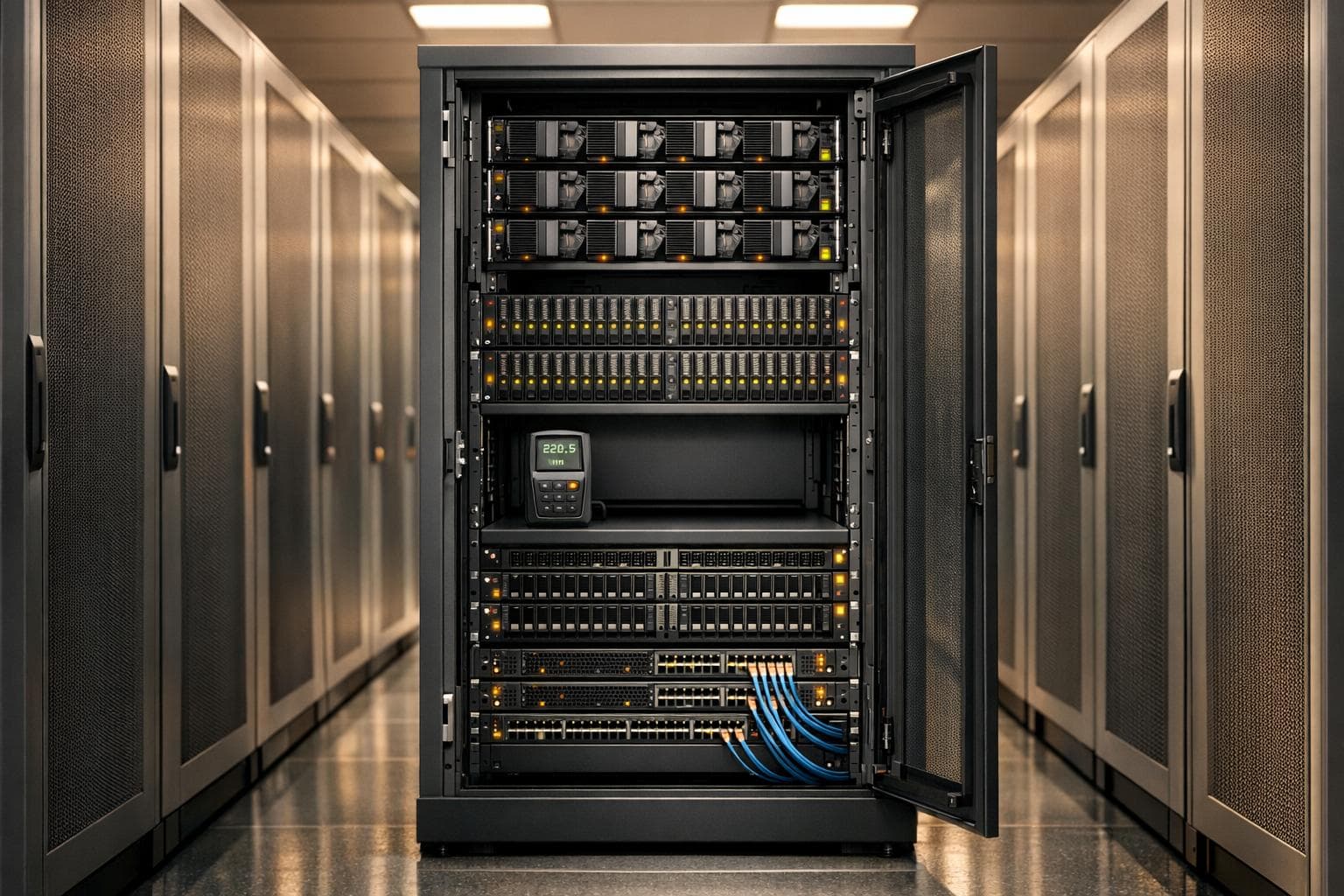
Break down GPU, cloud, storage, and networking costs; compare APIs vs self-hosting; and learn practical tactics to reduce AI compute expenses.

Track live metrics and route AI traffic in real time to reduce latency, prevent overloads, cut costs, and scale models reliably during demand spikes.
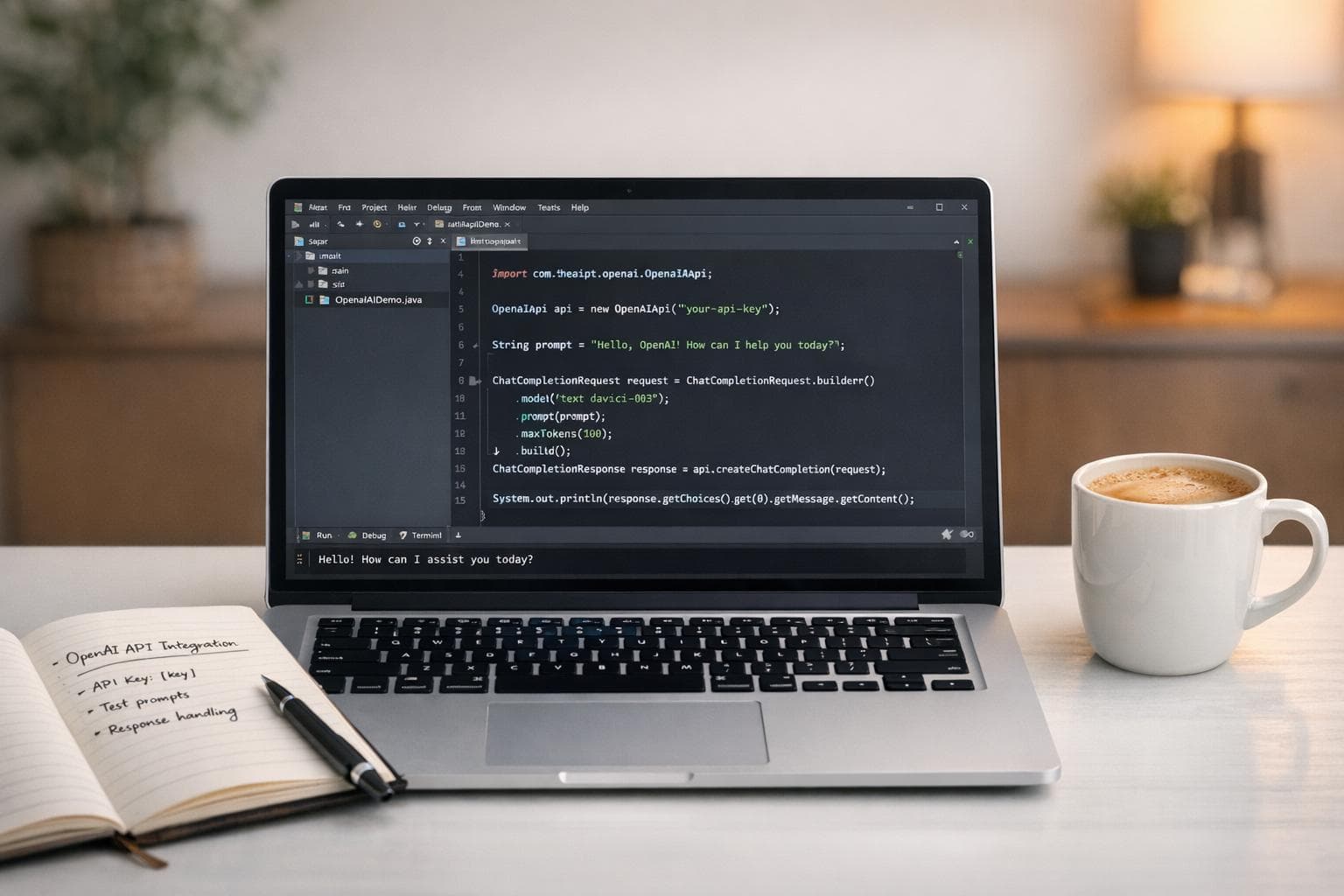
Step-by-step Java integration with the OpenAI API: setup, secure auth, Responses API examples, streaming, error handling, image generation, and cost tips.