

Model Drift Detection: Guide for AI Teams
Treat drift as three reviews—inputs, outputs, and business impact—with PSI thresholds, dual alert windows, and clear escalation rules.
Updates, guides, and insights
Showing
Treat drift as three reviews—inputs, outputs, and business impact—with PSI thresholds, dual alert windows, and clear escalation rules.

How context length, KV-cache growth, and attention choices trade memory, latency, and recall in LLMs—practical fixes for local setups.
Celeris 1 uses diffusion-based text generation for short tasks. See its provider-reported speed results, benchmark caveats, NanoGPT limits, pricing, and a small API test.

Keep edge AI responsive under bursts and node loss using priority queues, EDF, admission control, selective replication, and regional offload.

Trim payloads, use binary formats, stream text, and send image references to cut AI response time and reduce p95/p99 latency.

Treat AI contract summaries as draft workflows: clause-level inputs, mandatory attorney approval, and strict data retention controls.

We tested Qwen Image 3 on bilingual poster text, a dense infographic, photorealistic detail, and a controlled edit. See the actual outputs and where it still slips.
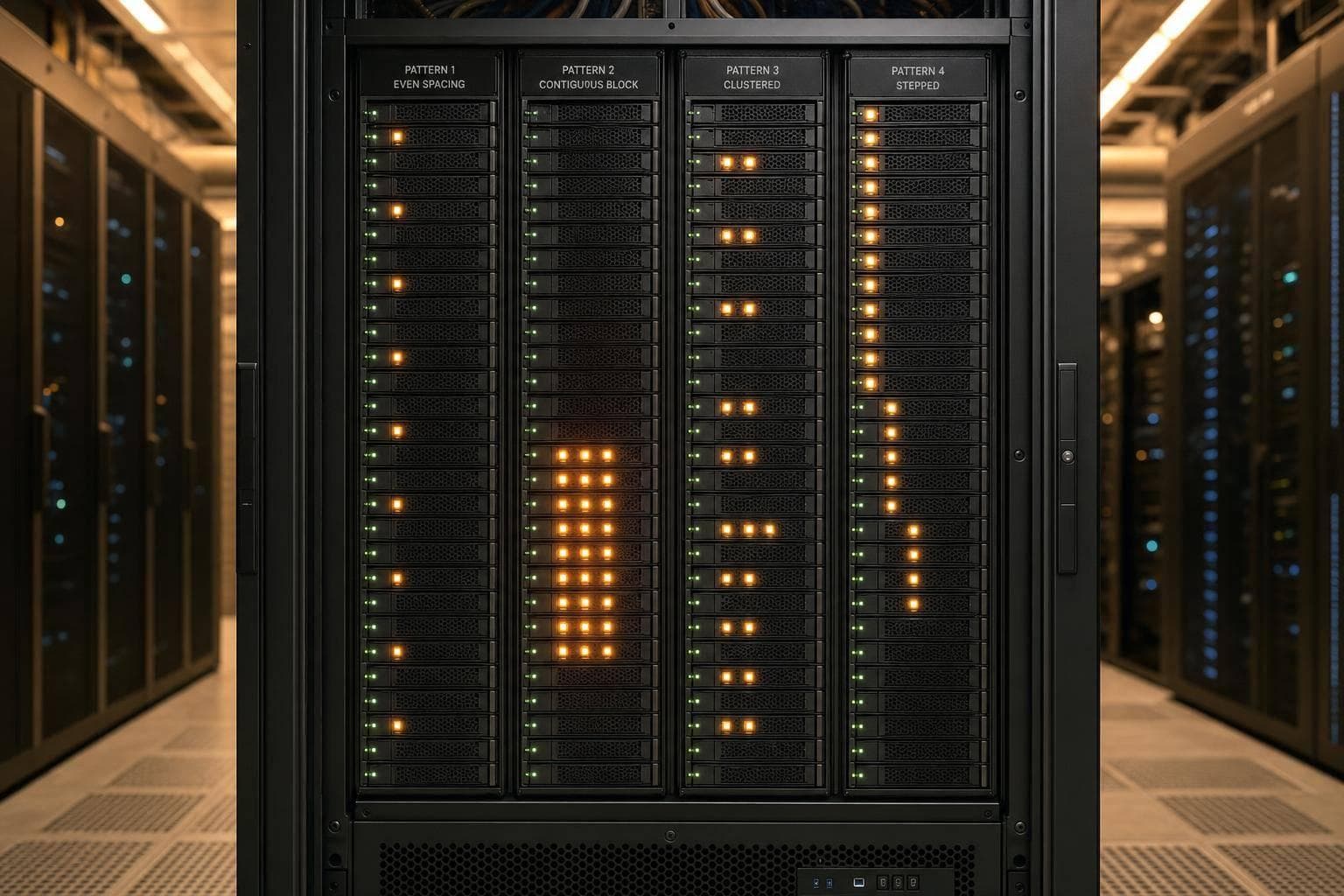
Compare shard, consolidated, small-file, and staged checkpoint layouts to balance write speed, metadata load, and restart time.
A practical way to compare AI voices for narration, assistants, characters, ads, and multilingual speech using previews and a repeatable audition script.
We tested Ling 3.0 Flash and Ling 3.0 Flash Thinking on coding, extraction, tool use, counting, and logic. See where their results differed and what Thinking cost.