

Smarter Load Balancing for AI Pipelines
Protect uptime first: use small models, caching, batch/live separation, tool offload, metrics-based routing and failover.
Updates, guides, and insights
Showing
Protect uptime first: use small models, caching, batch/live separation, tool offload, metrics-based routing and failover.
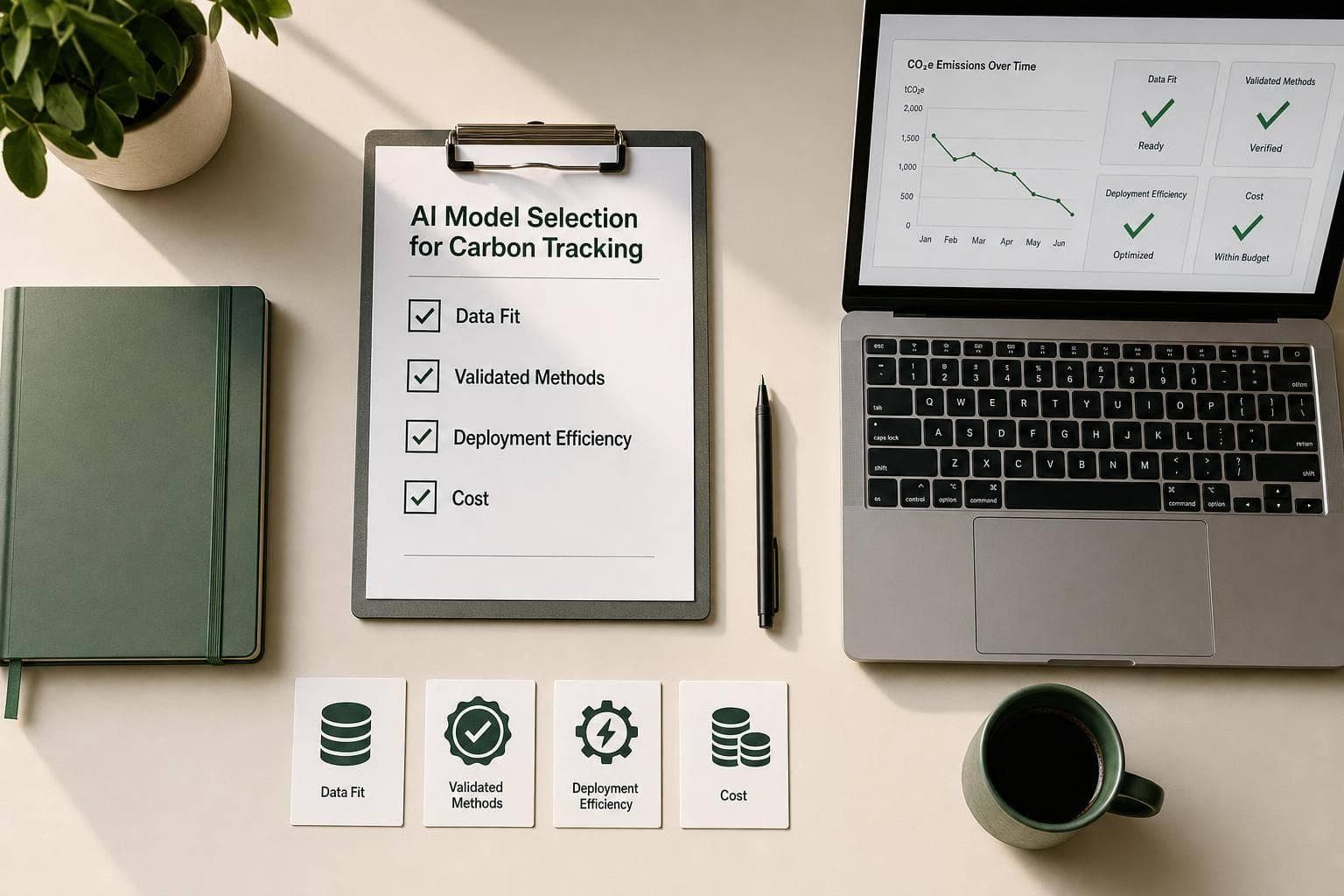
Step-by-step checklist to choose AI models for carbon tracking—prioritize data fit, validated emissions methods, deployment efficiency, and cost.

Treat mTLS as the front door: issue client certs, enforce CA trust and revocation, map cert identity to access, and test failure cases.

Watermarking aids image source tracing—combine invisible pixel marks, C2PA metadata, and internal logs as layered evidence.

Measure adoption, repeat use, model performance, and business impact to turn feature usage into actionable predictions.
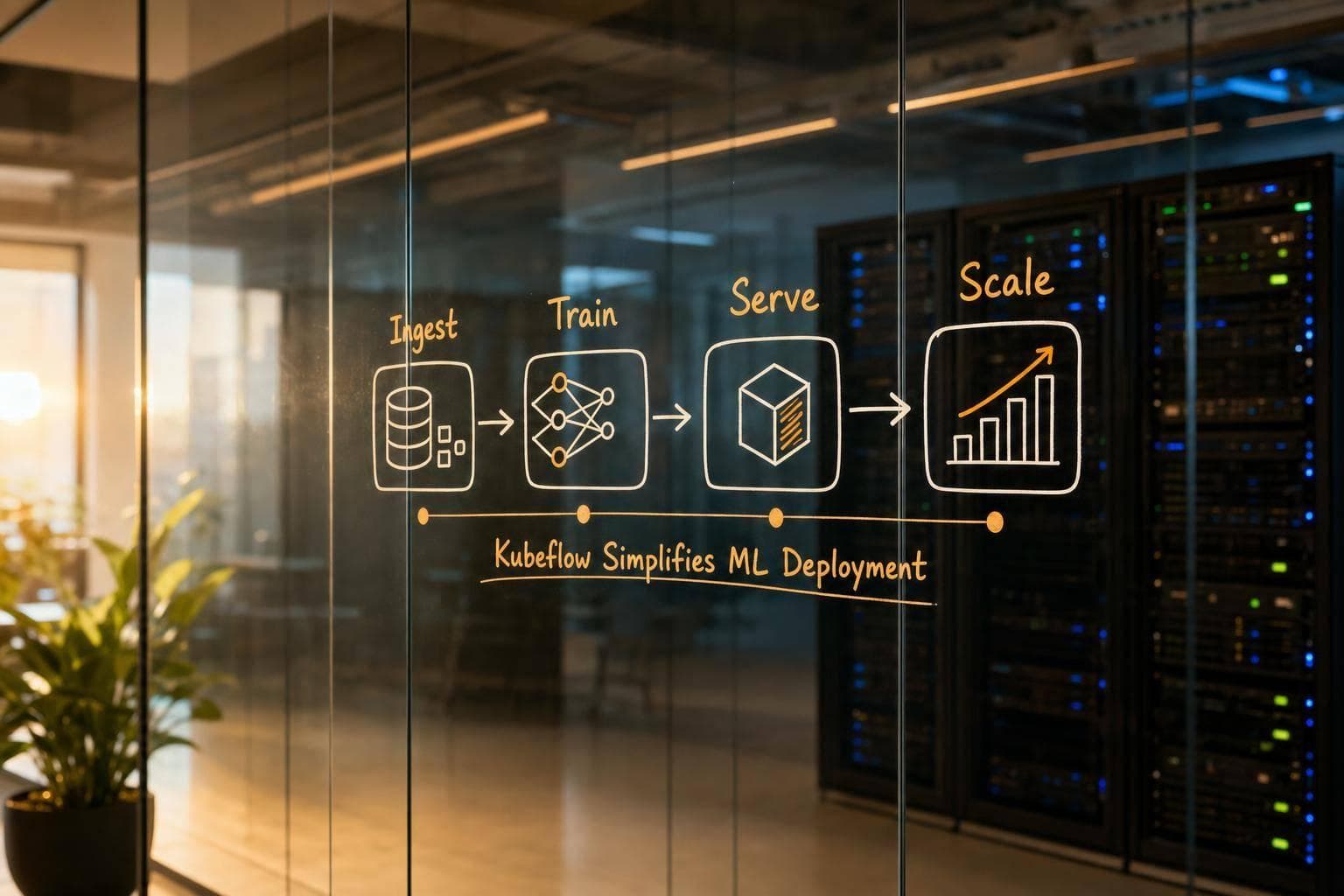
Use Kubeflow on Kubernetes to build reproducible ML pipelines, serve models with KServe, autoscale, and lower costs.

Practical checklist to design, log, secure, and monitor AI image audit trails for compliance, integrity, and privacy.

Clamp gradient norms to prevent exploding gradients in RNNs — practical clipping-by-norm advice, implementation tips, and tuning guidance.

ML forecasting and optimization cut energy use in data centers, grids, buildings, and industry while noting data and deployment limits.

Adapting labeled models to unlabeled target data fixes domain shift using alignment, adversarial training, and pseudo-labels.